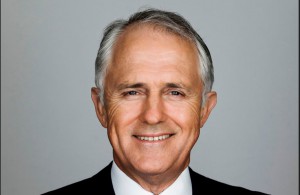
Prime Minister Malcolm Turnbull is set to have his new Ministry sworn in by the Governor General on Thursday 18th February 2016. These are the appointments as released by the Prime Minister’s Office on Sunday 14th February (in a slightly more downloadable format).
PROPOSED TURNBULL MINISTRY
Prime Minister: The Hon Malcolm Turnbull MP
Minister for Indigenous Affairs: Senator the Hon Nigel Scullion
Minister for Women: Senator the Hon Michaelia Cash
Cabinet Secretary: Senator the Hon Arthur Sinodinos AO
Minister Assisting the Prime Minister for the Public Service: Senator the Hon Michaelia Cash
Minister Assisting the Prime Minister for Counter-Terrorism: The Hon Michael Keenan MP
Assistant Minister to the Prime Minister: Senator the Hon James McGrath
Assistant Minister to the Prime Minister for Cities and Digital Transformation: Mr Angus Taylor MP
Assistant Cabinet Secretary: The Hon Dr Peter Hendy MP
Minister for Agriculture and Water Resources (Deputy Prime Minister): The Hon Barnaby Joyce MP
Assistant Minister for Agriculture and Water Resources: Senator the Hon Anne Ruston
Assistant Minister to the Deputy Prime Minister: Mr Keith Pitt MP
Minister for Foreign Affairs: The Hon Julie Bishop MP
Minister for Trade and Investment: The Hon Steven Ciobo MP
Minister for International Development and the Pacific: Senator the Hon Concetta Fierravanti-Wells
Minister for Tourism and International Education: Senator the Hon Richard Colbeck
Minister Assisting the Minister for Trade and Investment: Senator the Hon Richard Colbeck
Minister for Regional Development: Senator the Hon Fiona Nash
Minister for Infrastructure and Transport: The Hon Darren Chester MP
Minister for Major Projects, Territories and Local Government: The Hon Paul Fletcher MP
Attorney-General (Vice-President of the Executive Council): Senator the Hon George Brandis QC
Minister for Justice: The Hon Michael Keenan MP
Treasurer: The Hon Scott Morrison MP
Minister for Small Business: The Hon Kelly O’Dwyer MP
Assistant Treasurer: The Hon Kelly O’Dwyer MP
Assistant Minister to the Treasurer: The Hon Alex Hawke MP
Minister for Finance: Senator the Hon Mathias Cormann
Special Minister of State: Senator the Hon Mathias Cormann
Assistant Minister for Finance: The Hon Dr Peter Hendy MP
Minister for Industry, Innovation and Science: The Hon Christopher Pyne MP
Minister for Resources, Energy and Northern Australia: The Hon Josh Frydenberg MP
Minister for Northern Australia: Senator Matt Canavan
Assistant Minister for Science: The Hon Karen Andrews MP
Assistant Minister for Innovation: The Hon Wyatt Roy MP
Minister for Immigration and Border Protection: The Hon Peter Dutton MP
Assistant Minister for Immigration: Senator the Hon James McGrath
Minister for the Environment: The Hon Greg Hunt MP
Minister for Health: The Hon Sussan Ley MP
Minister for Aged Care: The Hon Sussan Ley MP
Minister for Sport: The Hon Sussan Ley MP
Minister for Rural Health: Senator the Hon Fiona Nash
Assistant Minister for Health and Aged Care: The Hon Ken Wyatt AM MP
Minister for Defence: Senator the Hon Marise Payne
Minister for Veterans’ Affairs: Mr Dan Tehan MP
Minister Assisting the Prime Minister for the Centenary of ANZAC: Mr Dan Tehan MP
Minister for Defence Materiel: Mr Dan Tehan MP
Assistant Minister for Defence: The Hon Michael McCormack MP
Minister for Communications: Senator the Hon Mitch Fifield
Minister for the Arts: Senator the Hon Mitch Fifield
Minister for Regional Communications: Senator the Hon Fiona Nash
Minister for Employment: Senator the Hon Michaelia Cash
Minister for Social Services: The Hon Christian Porter MP
Minister for Human Services: The Hon Alan Tudge MP
Assistant Minister for Multicultural Affairs: Mr Craig Laundy MP
Assistant Minister for Disability Services: Mrs Jane Prentice MP
Minister for Education and Training: Senator the Hon Simon Birmingham
Minister for Vocational Education and Skills: Senator the Hon Scott Ryan
Minister for Tourism and International Education: Senator the Hon Richard Colbeck
Comment below to have your say on this story.
If you have a news story or tip-off, get in touch at editorial@governmentnews.com.au.
Sign up to the Government News newsletter