
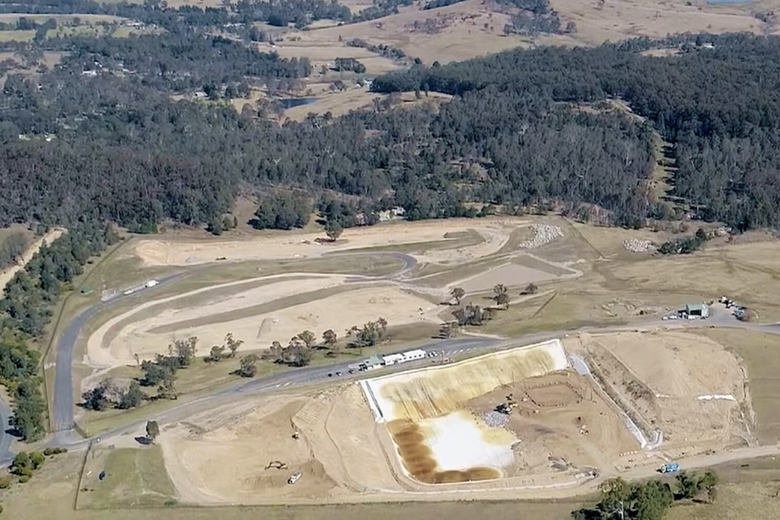
Bega Valley Shire Council in southern NSW has awarded a $24.8 million contract for a new organics processing plant as it seeks to reduce the shire’s dependency on landfill.
Pending development approval, the Organics Processing Facility will be built and operated from Council’s Central Waste Facility (CWF) near Wolumla from 2026, with future expansion in mind to cater for growing demand for organics recycling in the region.
The ten-year, $24,825,371 contract was awarded to Illawara-based organics recycling company SOILCO, which beat out competitors Cleanaway and Remondis in the invitation-only tender to design, build, operate and maintain the facility.
The current organics facility at the Merimbula Waste Transfer Station is no longer able to meet the needs of the community, project manager Kimberley Rushbrook says.
“The new facility will use the latest technology to process food scraps and garden waste more efficiently and with a greatly reduced impact on the local environment,” she said.
“Its new home will be at our Central Waste Facility, which will make it easier and more convenient for contracted waste collection truck drivers to drop off their loads.”
The Merimbula facility will be decommissioned once the new plant is complete.
Ms Rushbrook says the new facility will use “aerated static pile technology” which represents a step up from the council’s existing technology.
SOILCO will produce fertilisers at the site which will be sold under its own brand.
Council is expected to make a determination on the DA by September 2025, with construction scheduled to begin the following November.
Comment below to have your say on this story.
If you have a news story or tip-off, get in touch at editorial@governmentnews.com.au.
Sign up to the Government News newsletter